

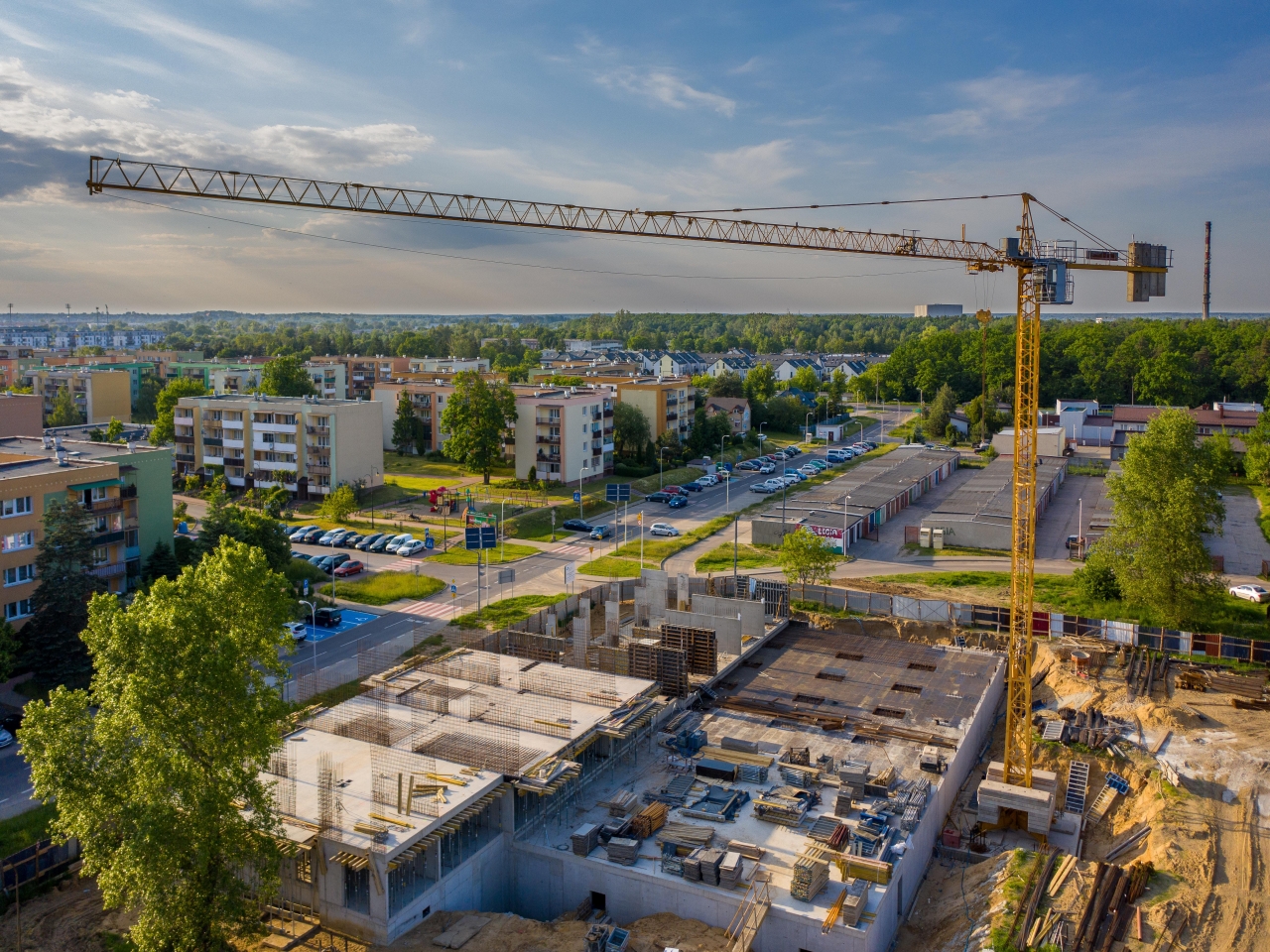

In the construction industry, a well-thought-out building plan is essential for the success of any project. A building plan serves as a blueprint for the entire construction process, guiding architects, contractors, and clients from the initial concept to the final structure. In this article, we’ll explore what a building plan entails, its importance, and how it contributes to efficient project execution.
What is a Building Plan?
A building plan is a detailed drawing or set of drawings that outline the design, layout, and specifications of a construction project. It includes various elements such as:
Why a Comprehensive Building Plan is Essential
1. Clarity and Vision
A building plan provides a clear vision of the project for all stakeholders involved. It helps clients visualize the end result, allowing them to make informed decisions about design and materials. This clarity reduces misunderstandings and sets realistic expectations from the start.
2. Efficient Resource Management
A detailed building plan aids in efficient resource management, including time, labor, and materials. By identifying the required resources upfront, project managers can streamline procurement and scheduling, minimizing delays and cost overruns.
3. Regulatory Compliance
Building plans are crucial for obtaining necessary permits and approvals from local authorities. A well-prepared plan ensures that all designs meet zoning laws, building codes, and safety regulations, preventing potential legal issues down the line.
4. Coordination Among Teams
Construction projects often involve multiple teams, including architects, engineers, and contractors. A comprehensive building plan facilitates coordination among these teams, ensuring everyone is on the same page. This collaboration helps avoid conflicts and errors during construction.
5. Budget Control
A detailed building plan allows for accurate budgeting. By outlining all aspects of the construction project, including materials and labor costs, clients can establish a realistic budget. This transparency helps prevent unexpected expenses and financial strain.
6. Future Planning
A well-constructed building plan also considers future needs. Whether it’s potential expansions or modifications, having a solid plan in place allows for easier adjustments later on, ensuring long-term functionality and adaptability.
Tips for Creating an Effective Building Plan
Conclusion
A comprehensive building plan is the foundation of a successful construction project. It not only provides clarity and direction but also facilitates efficient resource management and regulatory compliance. By investing time and effort into creating a detailed building plan, you set the stage for a smooth construction process and a successful outcome.
If you’re ready to start your next construction project and need assistance with building planning, contact us today. Our team of experts is here to help you bring your vision to life with precision and professionalism.